Foundation Repairs Melbourne

Assessment and repair options for sinking foundations, cracked brickwork and uneven floors.

Noticed new cracks in your walls, doors that no longer close properly or floors that seem to be moving? These changes can indicate a problem with the supports beneath your home—but they do not all need the same repair.

At Global Reblocking, we inspect accessible house foundations and subfloor supports across Melbourne to identify signs of movement and determine the next step. Depending on the condition and construction of your property, the work may involve reblocking or restumping, underpinning, house levelling or other work specified after further assessment.

We offer free initial on-site inspections and quotes, with the proposed scope explained before work begins.

Registered Building Practitioner  |  HIA Member  |  15-Year Guarantee*

*Guarantee applies under Global Reblocking’s written terms and to the work covered by the agreement.

GET A FREE FOUNDATION REPAIR QUOTECALL 03 9308 5863
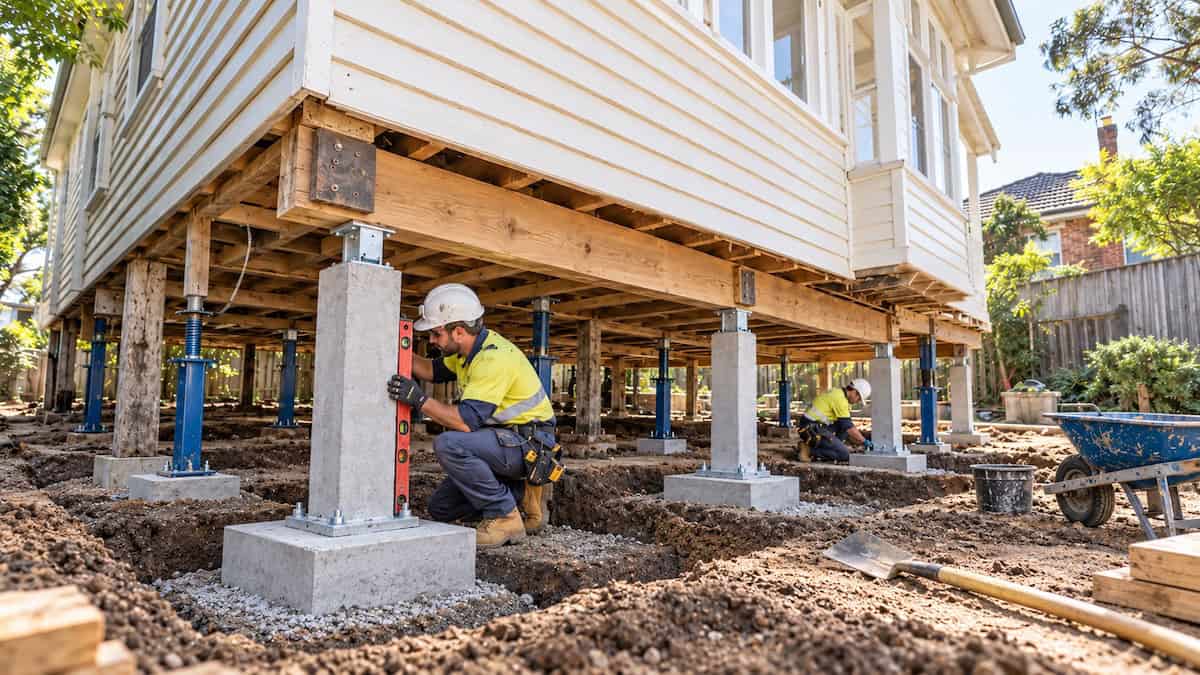
Foundation repair specialists installing concrete support stumps beneath a Melbourne weatherboard house

Signs Your House May Need Foundation Repairs

Cracking, uneven floors and distorted openings are common reasons to investigate a foundation. They can be caused by movement in footings, failing stumps, deterioration of subfloor timbers or issues unrelated to the foundations. The pattern, location and progression of each symptom matter.

Cracks in External Brickwork

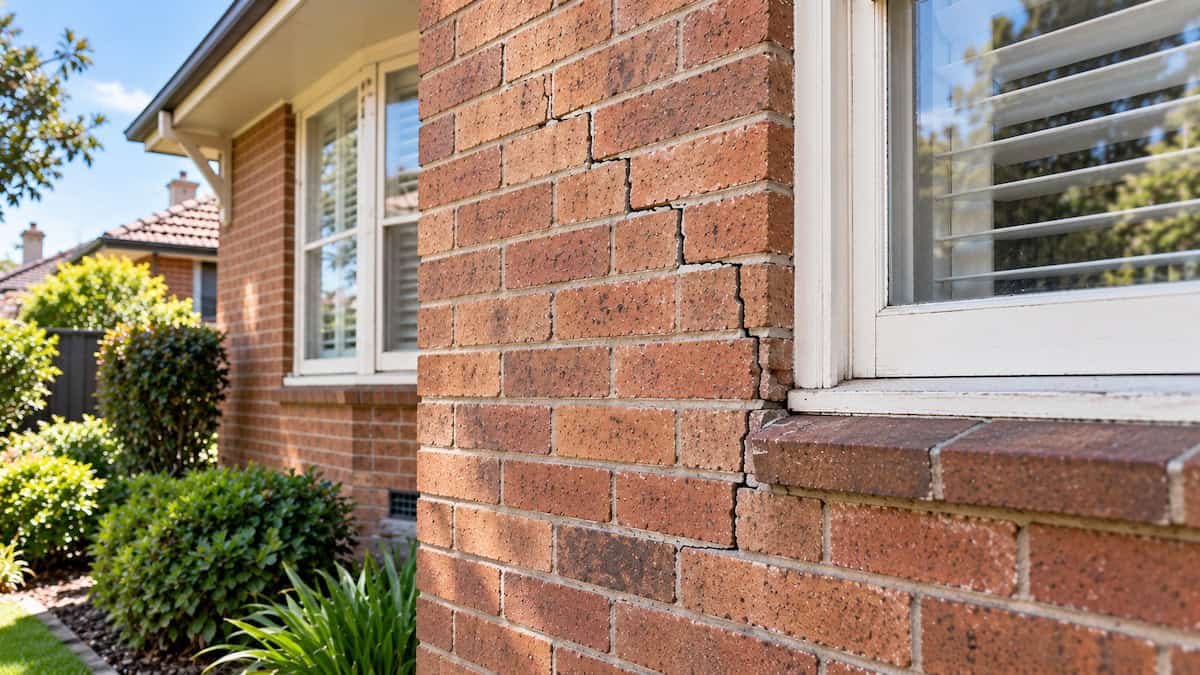
Diagonal or stepped cracks through mortar joints, widening gaps near windows or separation between building elements may indicate movement. A crack’s position and whether it is changing can be more informative than its appearance on one day.

Sloping, Uneven or Bouncy Floors

A floor that has dropped, developed a slope or moves underfoot may be affected by sunken stumps, deteriorated bearers or joists, or other structural movement. Suspended timber floors need a different assessment from concrete slab floors.

Doors and Windows That Stick

Changing door gaps, frames that are no longer square or windows that become difficult to open can accompany foundation movement. Seasonal swelling, hardware or joinery faults can also cause similar symptoms.

Cracks in Plaster, Tiles or Internal Walls

Recurring cracks, new separations at wall junctions or tiles cracking without an obvious impact may justify further investigation. Cosmetic repairs alone will not correct ongoing structural movement.

Gaps Around Skirting Boards or Frames

New gaps between skirting and floors, or separation between different parts of the house, may reflect changes in support or floor levels.

Visible Problems Beneath the House

Rotten or leaning timber stumps, persistent dampness, displaced supports or damaged bearers are important findings in an accessible subfloor. Do not enter an unsafe or unstable space to inspect them yourself.

When to act promptly: If a wall appears unstable, a crack is widening quickly, or there is sudden significant movement, keep clear of the affected area and arrange urgent advice from an appropriately qualified structural engineer or emergency service as the circumstances require.

Stepped cracking in external brickwork of a Melbourne home showing possible foundation movement

What Is Causing the Foundation Movement?

The right foundation repair depends on what is moving and why. A home supported on timber stumps can develop different problems from a brick wall supported on a strip footing or a home with a concrete slab.

We begin with the visible symptoms, the home’s construction and the accessible support system. Where the cause cannot be established from an initial inspection, further investigation or structural engineering may be needed before a repair is designed.

What you’re noticing What may need investigation Potential repair direction
Uneven or bouncy timber floors House stumps, bearers, joists, floor levels and subfloor moisture Restumping / reblocking, relevelling or related subfloor work where appropriate
Stepped cracks in external brickwork Footing movement, soil moisture, drainage, structure and crack progression Engineering assessment; underpinning may be considered if the footing needs additional support
Sunken or visibly deteriorated stumps Stump material, depth of deterioration, footings and remaining supports Partial or full stump replacement, based on the wider condition
Movement or cracking around a slab floor Slab/footing system, settlement or heave, soil and drainage conditions Independent engineering assessment to identify whether foundation stabilisation or another specialist method is required
Sticking doors with no other obvious damage Frames, hinges, humidity and any associated building movement Identify the cause first; foundation repair may not be necessary

This comparison is a guide, not a remote diagnosis. A brick veneer home may also contain suspended timber floors and stumps. The repair is determined by the actual structure, not the external cladding or one symptom.

Common Causes of Foundation Problems in Melbourne Homes

Foundation movement can develop over years or follow a change in site conditions. Identifying an ongoing cause is important so that replacement supports are not exposed to the same preventable problem.

Changes in Soil Moisture

Parts of Melbourne have reactive clay soils that shrink as moisture is lost and swell when wet. Uneven changes beneath a building can contribute to movement, although local soil conditions vary substantially between properties.

Drainage Issues and Water Leaks

Leaking pipes, blocked downpipes, ponding water and poor surface drainage can change moisture conditions near stumps and footings. Moisture may also accelerate deterioration of older timber supports.

Ageing Timber Stumps and Subfloor Components

Timber stumps can deteriorate at or below ground level. Bearers, joists and connections can also lose condition independently. A floor problem therefore needs more than a quick visual check of the most accessible stump.

Settlement, Trees and Previous Building Work

Ground settlement, erosion, nearby trees and changes to building loads can contribute to movement. A past extension or repair can also create different support conditions between sections of the home.

For background on ground moisture and footings, see the Victorian Building and Plumbing Commission’s foundation movement guidance.

Foundation Repair Options We Can Assess for Your Home

Foundation repair is not one technique. We recommend the next step according to the foundation system and the cause of movement. Where engineering or other specialist input is required, the repair needs to follow the appropriate design and approval process.

House Reblocking and Restumping

When house stumps are deteriorating, sinking or no longer providing adequate support, replacement may be necessary. The work may be partial or full, depending on how many stumps are affected and whether the remaining supports are suitable to retain.

Read about our house reblocking and restumping services in Melbourne, or see our partial versus full restumping guide.

Underpinning Existing Footings

Underpinning can strengthen or stabilise existing foundations by improving how their loads are supported. It may be considered for certain footing or wall movement problems where the assessment and engineering design show that it is appropriate.

Underpinning is not the automatic answer for every brick crack or slab defect. See our dedicated underpinning Melbourne service page for the situations it addresses and the work involved.

House Levelling and Relevelling

Where a suspended floor has moved out of level, controlled adjustments may form part of a restumping or other subfloor repair project. The amount of correction possible depends on the building’s age, condition and how its parts are connected.

Levelling an older structure can affect plaster, tiles, doors and other finishes. We’ll discuss any identified limitations and what is included in the proposed scope.

If your floors are uneven but the existing stumps and supports remain suitable, house levelling and relevelling may be an appropriate option without a complete restump. We assess the condition of your subfloor before recommending the work required.

Associated Subfloor Support Repairs

Problems with bearers, joists or their connections may need to be addressed alongside foundation supports. These items should be assessed separately and clearly included or excluded in the written quote. Where specialist structural or engineering work is required beyond the agreed service scope, that need should be identified before proceeding.


Our Foundation Assessment and Repair Process

We start by establishing what needs investigation rather than assuming the visible damage identifies the solution. Our approach is designed to help you understand the proposed work and its limitations before you commit.

1. Discuss the Symptoms

Tell us what has changed: where cracks have appeared, whether floors are moving, whether doors or windows have shifted and when you first noticed the problem. Photographs and existing building or engineering reports can help us understand the enquiry.

2. Inspect Accessible Foundations and Subfloor Supports

We assess relevant visible and accessible areas, including stump condition, bearers, joists, floor movement and any obvious moisture or access issues. Some problems are concealed and may require further investigation by an appropriate professional.

3. Establish the Appropriate Scope

Depending on the construction and findings, the proposed work may involve stump replacement, levelling, underpinning or another specified investigation or repair. Structural engineering and other specialist advice may be needed before a final repair scope can be settled.

4. Explain the Quote and Building Requirements

We explain the work included in the quote, important exclusions and how relevant building permit, engineering and inspection requirements will be addressed. Your role in appointing a building surveyor is also clarified where applicable.

5. Complete the Agreed Work and Required Checks

Structural repairs are carried out in accordance with the agreed scope and applicable approvals. Required inspections and completion documentation depend on the permit conditions. We also explain which reinstatement or cosmetic works are included and which are not.

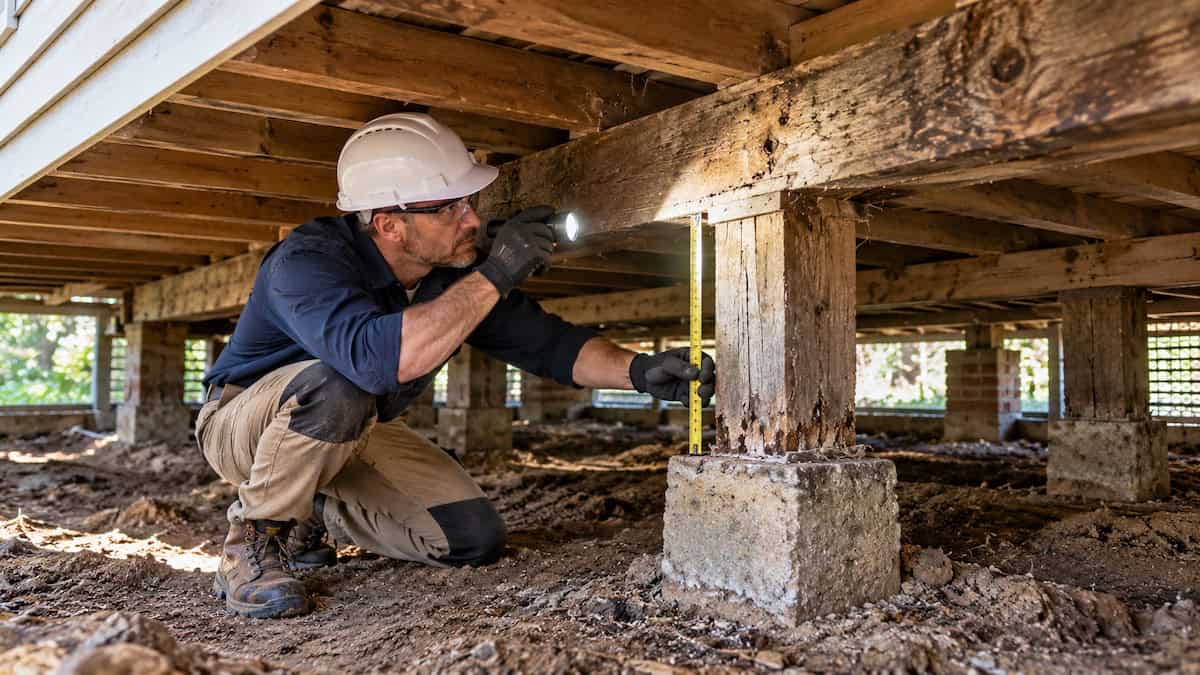
Foundation repair specialist inspecting timber bearers and house stumps beneath a Melbourne residential property

Do Foundation Repairs Need a Building Permit in Victoria?

Structural foundation repairs may require a building permit, engineering information and mandatory inspections. Reblocking and restumping require an appropriately registered practitioner regardless of project value. Underpinning and other structural repairs also need their applicable building and design requirements checked before work begins.

If domestic building work involves a private building surveyor, the owner makes the appointment under Victorian rules; a builder cannot appoint that surveyor for the owner under a domestic building contract. We can discuss the permit assistance relevant to the proposed work.

For eligible domestic building contracts signed from 1 July 2026, Victoria’s Home Warranty scheme generally applies when the eligible work is valued at more than $20,000, subject to its requirements and exclusions. Statutory Home Warranty is different from Global Reblocking’s 15-year guarantee.

Official information: appointing a building surveyor and Home Warranty arrangements.

What Affects Foundation Repair Costs in Melbourne?

Foundation repair costs depend on the cause, repair method and structural scope—not simply the number or size of visible cracks. A few failed stumps beneath an accessible floor can require a very different project from engineering and underpinning work beneath a moving footing.

Factors we consider include the type of foundation, access and excavation, existing damage, soil and drainage conditions, the number and design of supports or underpins, and whether engineering, permits, inspections or related structural repairs are required.

Our Melbourne restumping cost guide explains pricing for stump-replacement projects. Underpinning or other foundation repair work needs its own scope-based quote rather than applying a per-stump price to an unrelated repair.

Why Choose Global Reblocking for Foundation Repairs?

Foundation problems can be difficult to interpret from a crack or an uneven floor alone. We focus on assessing the condition of the support system and explaining which work is appropriate for the property.

  • Registered Building Practitioner: We carry out relevant structural building work with the practitioner registration required for the service.
  • HIA Member: Our verified membership forms part of our professional credentials.
  • 15-Year Guarantee: Our work is backed by a 15-year guarantee, subject to the terms applicable to the agreed job.
  • Free Initial Inspections and Quotes: We can assess the accessible areas of your property and discuss the next step before you commit.
  • Melbourne Foundation Experience: Our services include reblocking, restumping, underpinning and levelling for relevant residential foundation problems.

Explore our restumping and underpinning project gallery to see examples of our work.

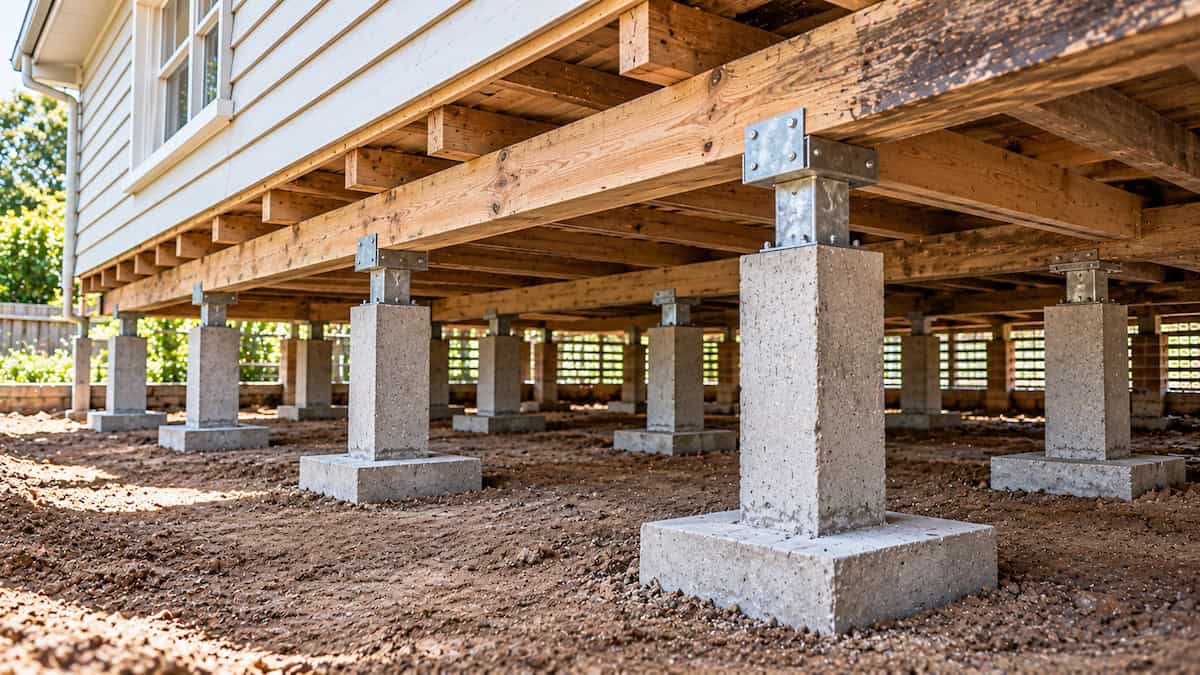
Newly installed concrete foundation stumps supporting a raised Melbourne weatherboard house

House Foundation Repairs Across Melbourne

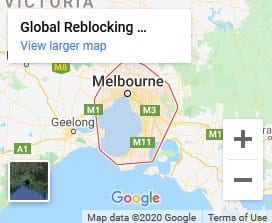
We assist homeowners across Melbourne with problems affecting house stumps, suspended timber floors and existing footings. Our service-area coverage includes Melbourne’s northern, western and eastern suburbs and other locations within our operating area.

Whether your home is weatherboard, brick veneer or another construction type, tell us your suburb and the issue you’ve noticed so we can confirm service availability and the appropriate inspection arrangements.

Foundation Repair FAQs

Not necessarily. Brick cracks can be associated with footing movement, changes in temperature or moisture and other building conditions. Significant or changing cracking warrants investigation, but underpinning is only appropriate where the assessment and any necessary engineering design identify a support problem that underpinning can address.

Sometimes. If the problem is isolated and the remaining supports are suitable to retain, partial restumping or a defined levelling repair may be appropriate. If deterioration is widespread, more extensive replacement may make sense. Read our partial vs full restumping guide for the decision factors.

Restumping replaces failed supports beneath a suspended floor; underpinning strengthens or stabilises existing footings or foundations. The same visual symptom can have different causes, so the appropriate method depends on the home’s construction and an assessment of the affected structure.

Structural repair is intended to address the identified support problem. Existing plaster, brickwork or tile cracks may still require separate cosmetic or masonry repair after the structural work is completed. Ask what reinstatement is included in your quote and whether existing finishes may change during levelling.

Some soil and building movement may continue over time. The outcome depends on the original cause, ground moisture, drainage, design and work performed. A new support system does not mean every future crack or movement is prevented. Ongoing site maintenance can remain important.

An initial inspection can identify visible symptoms, the accessible support system and whether further investigation is appropriate. Concealed footing or soil conditions sometimes require structural engineering, testing or additional access before the cause and repair can be confirmed.

Arrange a Foundation Repair Inspection in Melbourne

If you’ve noticed widening cracks, sinking or uneven floors, or movement around the walls of your house, tell us what you’re seeing. We’ll discuss an initial inspection and the next step for assessing the structure.

Global Reblocking offers free initial on-site inspections and quotes for foundation-related work across Melbourne.

Call 03 9308 5863 or contact us online to request an inspection.

GET A FREE ON-SITE QUOTECALL 03 9308 5863